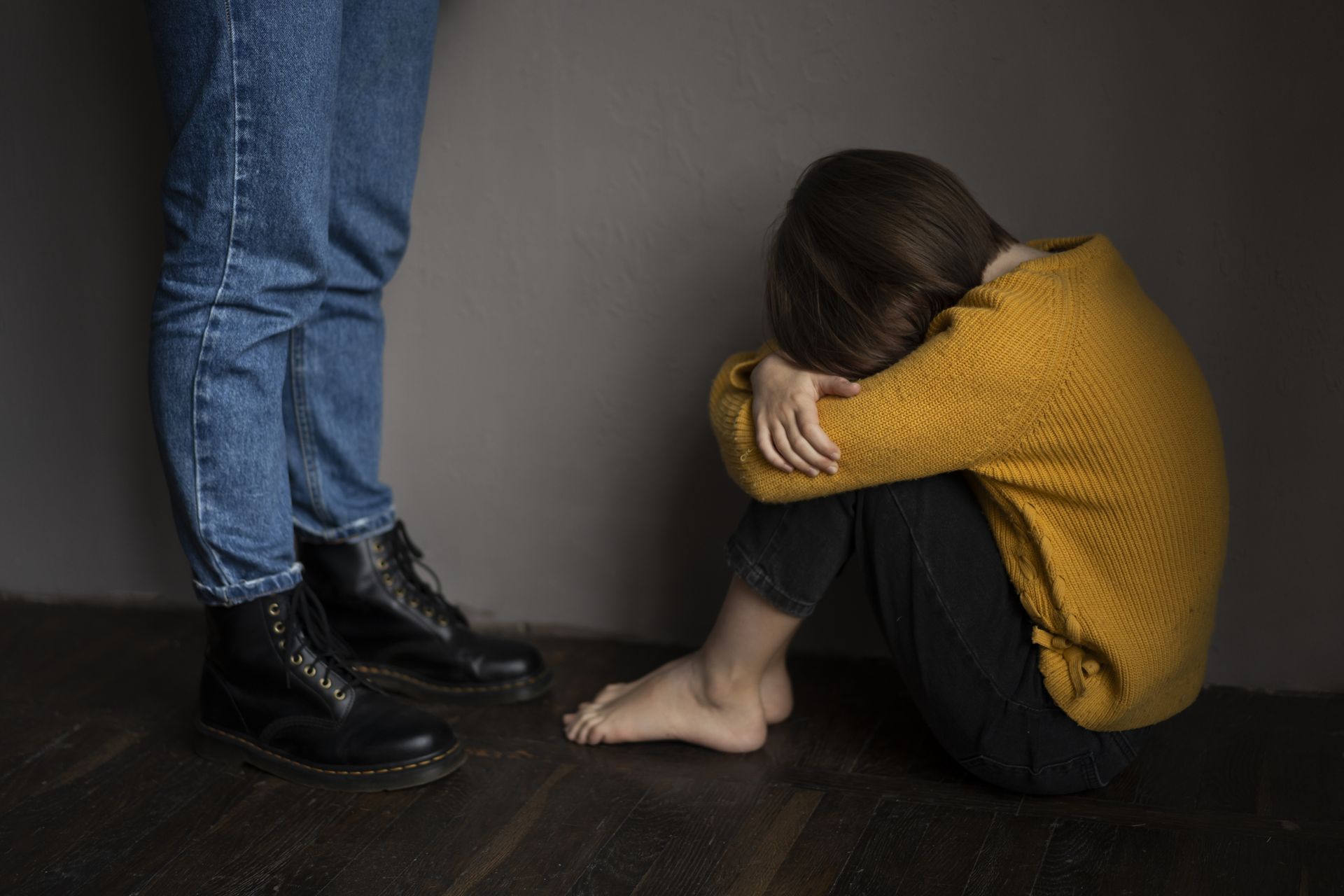
Domestic Violence: Prevalence and Impact
The WHO reports women suffering violence from an intimate partner range between 15% and 71%. Domestic abuse affects all boundaries — social, economic, racial, and cultural. Its incidence is widespread, making it a deeply ingrained and morally indefensible issue in society with enormous health and social costs.
What is Domestic Violence?
Domestic violence is the misuse of power by one adult to control another in a relationship. It is a pattern of coercive control through physical/sexual violence, threats, emotional insults, and economic deprivation. Section 3 of the Protection of Women from Domestic Violence Act, 2005 (PWDVA) defines DV broadly, including physical, mental, emotional, sexual, and economic abuse or unlawful demands (such as dowry).
Protection of Women from Domestic Violence Act (2005)
The PWDVA, 2005 recognizes domestic abuse as a punishable offense. It extends emergency civil relief and applies to married women, partners in live-in relationships, and family members living in a household. The law provides rights such as protection, compensation, maintenance, and the right to residence following abuse. It ensures the abused cannot be evicted from their home and may demand financial compensation and maintenance from their abuser.
Section 498A – Indian Penal Code (IPC)
Section 498A IPC criminalizes cruelty towards married women by husband or his family for dowry, including physical, mental, or sexual violence. Forced sex ("marital rape") is considered cruelty under this section. Punishments range from imprisonment to fines, including for intentional acts leading to suicide or grave injury.
Dowry Prohibition Act (1961)
The Dowry Prohibition Act, 1961 bans giving, taking, or demanding dowry and prescribes up to 6 months imprisonment or up to ₹5000 fine. Section 304B IPC provides for stricter penalties in cases of death due to dowry harassment — minimum 7 years jail up to life if a woman dies under suspicious circumstances within 7 years of marriage, and recent cruelty/dowry demand is proven.
Death Due to Dowry Harassment (IPC Section 304B)
If a woman\'s death occurs within seven years of marriage and recent cruelty/dowry harassment is shown, Section 304B IPC presumes "dowry death" and holds the husband or in-laws culpable, with strict penalties (minimum 7 years imprisonment).
Infanticide and Related IPC Sections
Sections 313-316 of IPC punish forced termination of a woman\'s pregnancy or infanticide, and Sections 305/306 deal with abetment of suicide. Wrongful restraint and confinement are covered under IPC Sections 340/349.
Procedure for Relief under PWDV Act
- Seek assistance from Protection Officer/Service Providers, lawyer, or legal aid
- File complaint with the Magistrate (Section 12)
- Apply for interim protection (Section 18)
- Respondent is served notice (Section 13)
- Evidence is presented (Section 14)
- Hearing before Magistrate, relief may include protection, maintenance, compensation, residence orders, or custody arrangements
Landmark Judgments
Cases such as Indra Sarma v. V.K.V. Sarma, Lalita Toppo v. State of Jharkhand, and Hiralal P. Harsora have clarified the scope and protections under domestic violence laws, ensuring wider applicability and more robust reliefs to victims.
Stance on Protecting Males
While the laws primarily protect women, it\'s acknowledged that men too can be victims. However, current laws in India provide severely limited remedies for abused men, indicating a need for gender-neutral approaches in future legal reforms.
How Shoolin Consultancy Can Help
Shoolin Consultancy offers empathetic and expert legal support for victims of domestic abuse — filing complaints, court representation, legal advice, and emotional empowerment for victims. Reach out for a confidential consultation and assistance in reclaiming safety and dignity.